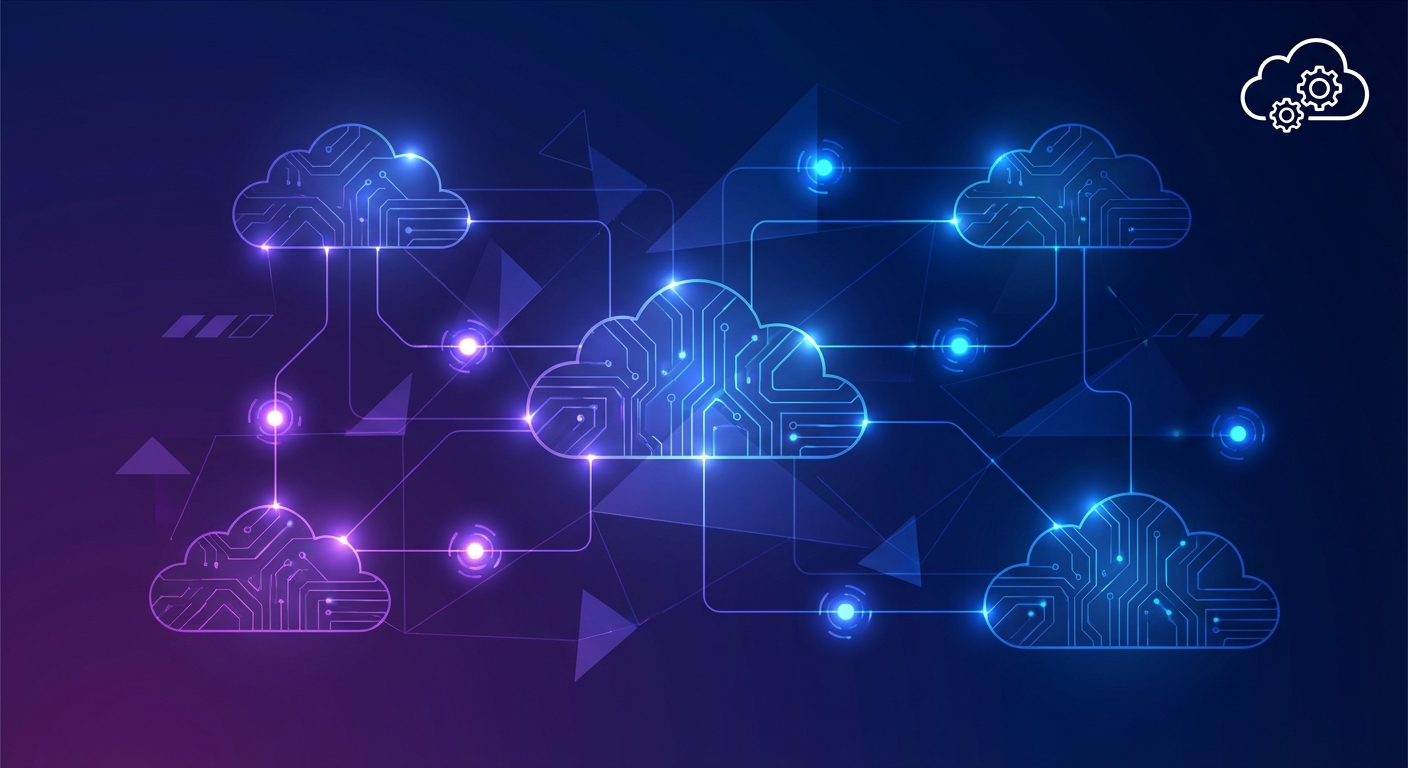
AI-Driven Anomaly Detection in Cloud General Ledgers

TL;DR
- This article covers how modern cloud tech uses smart algorithms to find weird mistakes in your books that humans usually miss. We look at the shift from manual audits to automated ai checks and how this keeps your financial data safe from fraud or simple typos. You will learn about real-time monitoring and why moving your ledger to the cloud is the best move for accuracy.
Why manual audits are a thing of the past
Ever tried finding a single wrong gst entry in a spreadsheet with ten thousand rows? It’s basically like trying to find a contact lens in a swimming pool, and honestly, your eyes start playing tricks on you after hour three.
Most biz owners I know still think they can "manual check" their way to a clean ledger. But honestly, as companies grow, the sheer volume of data makes that impossible.
- Human eyes fail at scale: You might catch a $500 typo in retail, but will you see the duplicate $5.00 SaaS subscription hitting the company card every month for three years?
- Spreadsheets are basically landmines: One wrong formula in Excel and suddenly your entire balance sheet is lying to you, which is a nightmare for tax season.
- The cost of "whoops": In industries like healthcare, a tiny coding error on an invoice doesn't just mess up the books—it can trigger a full-blown audit that costs way more than the mistake itself.
This is where things get cool. Instead of a human looking at one line at a time, ai looks at everything at once to find patterns. It doesn't get tired or need coffee.

According to a 2024 report by the Association of Certified Fraud Examiners, organizations that use data monitoring and ai tools see fraud losses that are 50% lower than those who don't. It’s not just about catching thieves, though. It’s about finding that one time a vendor accidentally billed you twice because their system glitched.
I've seen it happen in a finance firm where the api just... hiccuped. A human would've missed it, but the software flagged it because the "rhythm" of the payments looked off.
Next up, let's look at how these bots actually "think" when they're digging through your debits and credits.
The tech behind cloud ledger monitoring
Ever wonder how a computer actually "knows" you accidentally fat-fingered a utility bill entry? It’s not magic, it’s just a bunch of math looking for things that don't belong, like a detective with a really fast calculator.
Basically, the tech works by feeding years of your old transactions into a model. This is called training. The ai learns what "normal" looks like for your specific biz—like how much you usually spend on shipping or what time of month the rent hits.
There's two main ways this happens:
- Supervised learning: You tell the machine, "Hey, these 500 entries are correct, and these 10 are errors." It learns to spot the difference based on your labels.
- Unsupervised learning: This is the wild west. The ai just looks at the data and says, "Wait, why is this healthcare clinic buying $2,000 worth of pizza in November?" It finds the weirdness without being told what to look for.
A 2023 report by Gartner notes that finance leaders are moving toward these "autonomous" systems to handle the grunt work. Tools like Saniiro make this easy by plugging right into your existing flow so you don't need a math degree to use it.
The real secret sauce is the api. Instead of you downloading a csv and uploading it (and probably breaking something), the cloud ledger talks directly to your bank or stripe account.
It's all about speed. When everything is in the cloud, the monitoring happens in real-time. If a retail manager accidentally refunds a customer twice, the system catches it before the money even leaves the door.
"Real-time data means you aren't fixing mistakes from three months ago during a stressful year-end close."

Honestly, having it all in the cloud just makes sense. You get better access, and the ai has a "birds-eye view" of the whole operation.
Next, we should probably talk about what actually happens when the system screams "red alert" and how you handle those flags.
Benefits for the modern business owner
Honestly, the best part about having an ai watch your ledger isn't just the "cool factor"—it's the fact that you finally stop burning money on things you didn't even know were happening. It’s like having a super-accountant who works 24/7 and never asks for a coffee break or a raise.
I’ve seen so many business owners spend their entire Sunday afternoon trying to reconcile bank statements. It’s soul-crushing work. When the system handles the heavy lifting, you're basically buying your life back.
- Fast reconciliation: Instead of matching a thousand transactions by hand, the software does it in seconds. If the gst doesn't match the invoice, it tells you immediately.
- Tax season is actually chill: Since the data is clean all year, your accountant isn't calling you every five minutes in April asking why there's a $4,000 "misc expense" that you can't remember.
- Catching small leaks: In retail, small errors like wrong change or double-billing a vendor can add up to thousands. The ai catches these before they become "the way we've always done it."
Let’s be real—internal theft is a nightmare nobody wants to talk about. But it happens. A study by the Association of Certified Fraud Examiners (as we touched on before) shows that catching things early is the only way to keep losses down.

- No more duplicate invoices: It’s so easy for a vendor to send an invoice twice by mistake. The api flags it so you don't pay for the same pallet of supplies twice.
- Investor ready: If you ever want a loan or an investor, having clean, ai-verified books makes you look like a pro. It builds a ton of trust because they know the numbers aren't just "best guesses."
It’s really about peace of mind. You can actually sleep knowing some weird glitch in your stripe setup isn't draining your account.
Next, we’re gonna look at what you should actually do when the system flags something—don't panic, it's usually an easy fix.
Getting started with ai-driven ledgers
So, you're ready to stop playing detective with your own bank statements? Honestly, making the jump to an ai-driven ledger is less about a "big launch" and more about just cleaning up your digital house so the bots can actually do their job.
Moving away from those clunky old systems usually starts with a massive data dump. You gotta get your old transactions into the cloud first. Most modern platforms let you export a csv from your old setup, but be warned—if your old data is messy, the ai might get a bit confused at first. It’s like teaching a kid to read using a book with half the pages ripped out.
- Pick your niche: Don't just grab the first shiny app you see. If you're in retail, you need something that talks to your pos; if you're in healthcare, HIPAA compliance is a big deal.
- The "clean slate" export: Before you sync everything, do a quick manual sweep. Delete those weird duplicate vendors from 2019 so the api doesn't try to reconcile ghosts.
- Get the team on board: Your bookkeeper might be scared the robot is taking their job. Show them how it just handles the boring stuff so they can actually focus on strategy.

The role of the accountant is changing fast. It's not about data entry anymore; it's about being a "data pilot." As mentioned earlier by Gartner, finance is moving toward autonomous systems. This means your job shifts from "did we pay this?" to "why is the ai flagging this specific trend?"
Staying ahead of this tech is a huge competitive edge. While your competitors are still squinting at spreadsheets, you're making moves based on real-time insights. Plus, it just feels better knowing the math is actually right for once. Honestly, once you see the first "anomaly detected" alert save you a few thousand bucks, you'll never go back.